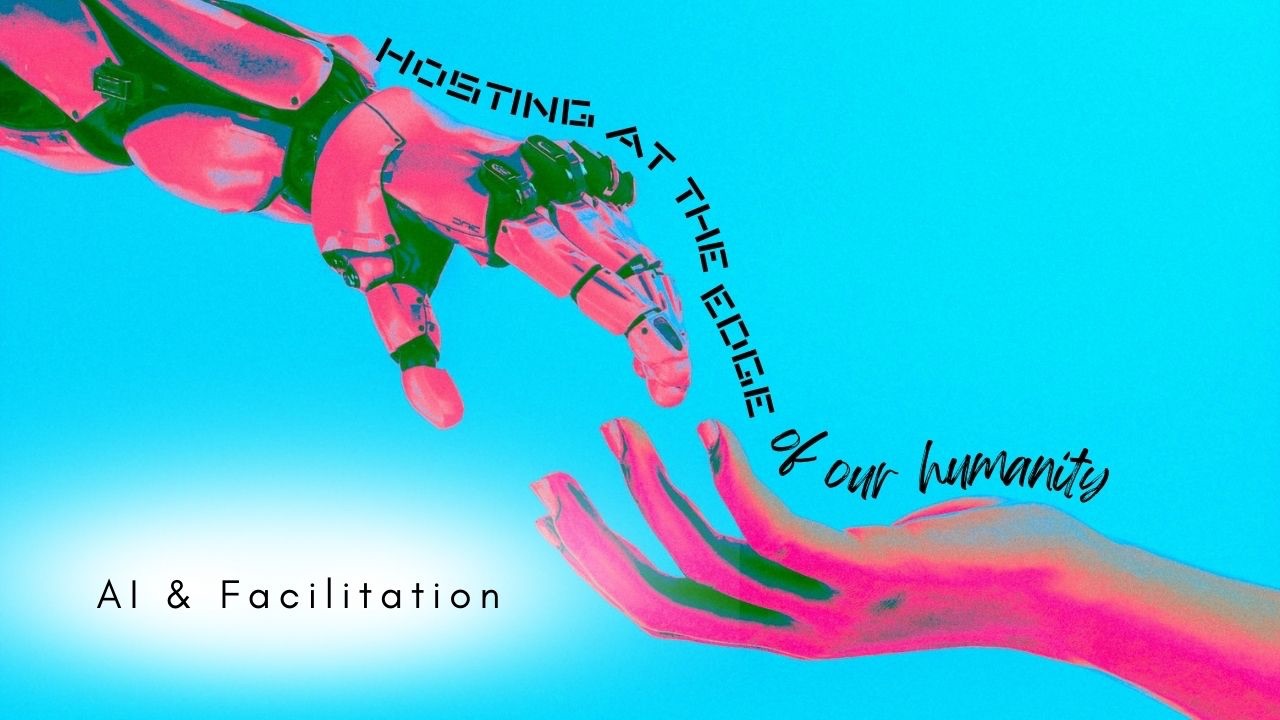
A collective inquiry and laboratory
What is the role of hosting conversations that matter, in this time of AI?
Where can AI genuinely support meaningful group conversations — and where should we avoid using it?
We want to open this conversation for an ongoing exploration, where we come together once a month to share our learning, check in around new developments and experiment together.
We will explore practical applications, ethical considerations, and the deeper questions of what it means to host spaces for collaboration and facilitate conversations that matter..
This is a laboratory: a place to play and experiment with AI while asking the big questions and making sense of its role in our lives.
For facilitators, community organizers, process hosts, and anyone working with groups who wants to think clearly about AI's role in their work.
Based on carefully curated library of videos and resources there is relevant material to dive into at your own pace and we will meet regularly to make sense of this and share experience.
Join us at any time for access to a full library of recordings, videos and resources and join our next live session.
Live sessions: last Wednesday of the month. Starting 30 Sept, 14 Oct (Bonus Session), 28 October, 25 Nov, 27 Jan.
Together, we'll form a grounded stance on where AI can serve your facilitation, deepen our insight into AI's role in the world, and strengthen our capacity to tend to what makes us uniquely human.

The Landscape of AI
UNDERSTANDING THE LANDSCAPE OF AI IN HOSTING AND FACILITATION?
Who is using AI in relation to support facilitation and sense making? Where and how are they using it and what can we learn from these experiences?
New Horizons
POSSIBILITIES FOR WORKING WITH AI
What potential are we starting to get a sense of now? Exploring this with practitioners who are moving the edge of what we can imagine possible?
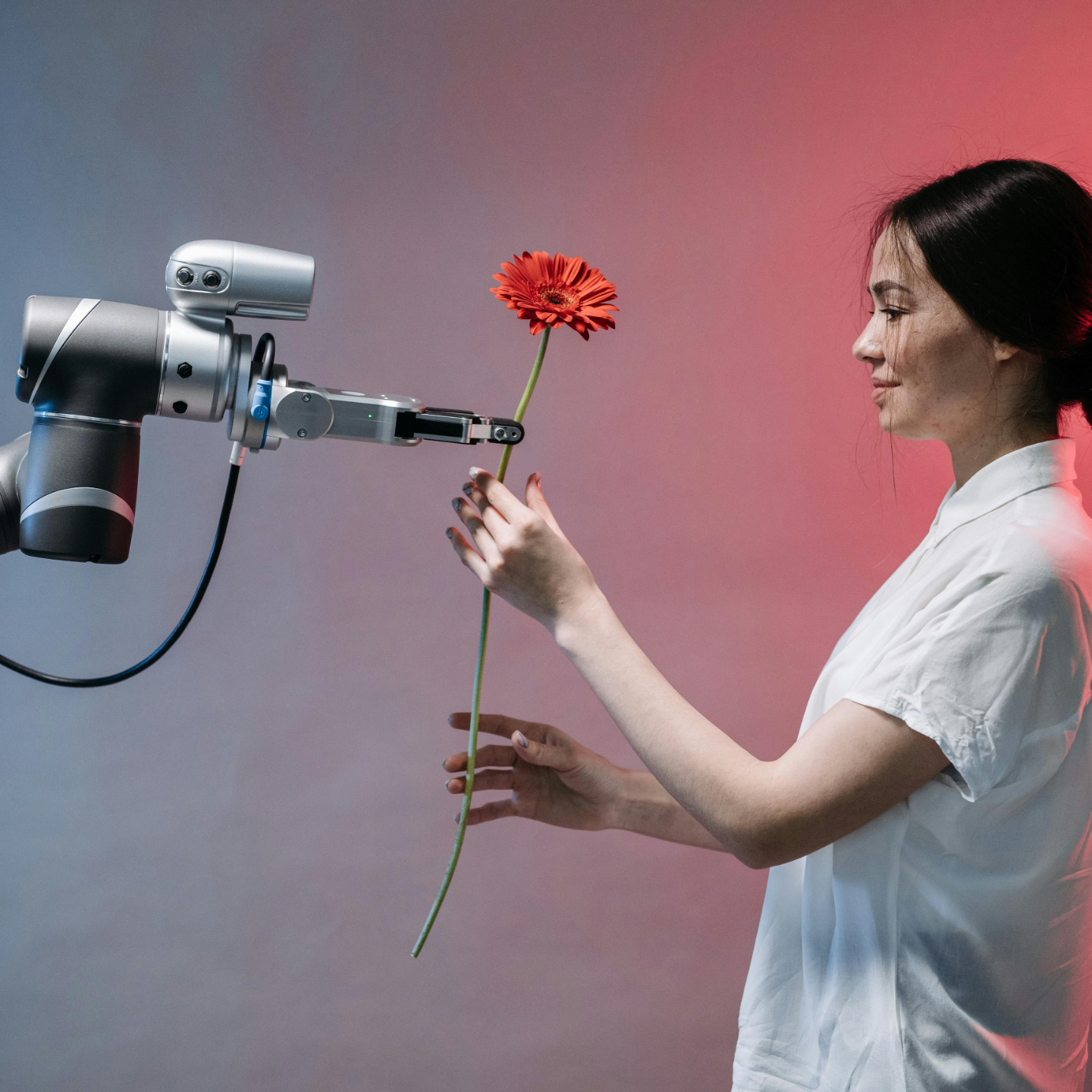
Our Humanity
WHAT DOES IT MEAN TO BE HUMAN AT THIS TIME WITH THE RISE OF NEW TECHNOLOGY?
What makes us uniquely human and how do we ensure that our use of technology strengthens our innate humanity?

Our Compass
WHAT IS OUR MORAL COMPASS?
What are the important questions to ask as we navigate this landscape and the possibilities? What is our moral and ethical compass as hosts, facilitators and human beings?

Participant reflection:
"I committed to explore further the use of IA keeping in mind my values. I am looking forward to explore the use of IA with illiterate communities using voice and drawings and would love to connect with others who would like to explore it together."
Participant reflection:
"Thank you for this journey. It was very enriching and I would like to remain on the journey with this wise and engaging group"
We will explore...
This offering invites you to reflect on the delicate balance between hosting human connection and collaboration by building trust and creating collective insights while working with rapid evolving technology and AI.
Through monthly community conversations and prerecorded interviews with practitioners and thought leaders who are well versed in using AI, we will delve into how artificial intelligence can both challenge and enhance participatory processes.
CONTRIBUTORS & GUESTS
To stimulate our thinking and widen our horizons, we've spent the past year interviewing leading practitioners and thinkers who are pushing the edge of this emerging reality.
These interviews, along with a carefully curated playlist of videos and resources, are available as soon as you sign up — so you can explore them at your own pace and bring your reflections into our shared conversations. Some of these guests will also join us live, in one or more of the sessions.
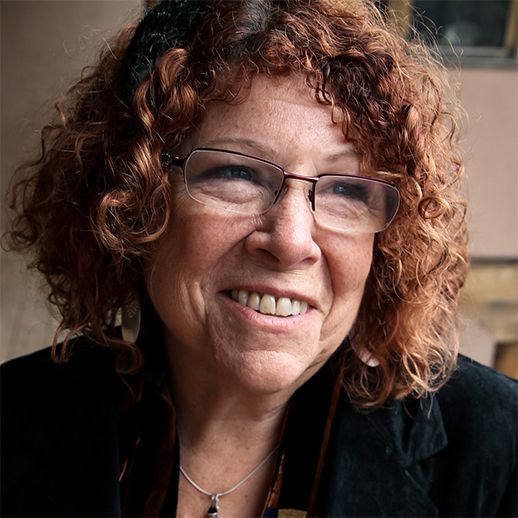
Meg Wheatley
Leadership scholar, systems thinker, and co-founder of the Berkana Institute, Meg’s work explores how people organize from life-aware principles.

Chris Corrigan
Process host, facilitator and teacher pioneer in understanding complexity and emergence in the context of strategic dialogic processes.
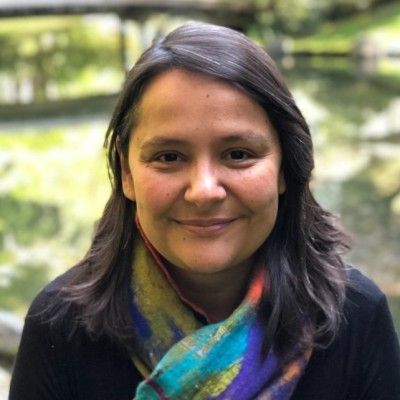
Vanessa Andreotti
Vanessa is the author of Hospicing Modernity: Facing humanity’s wrongs and the implications for social activism, one of the founders of the Gesturing Towards Decolonial Futures Arts and pioneering a different way to engage with AI for good.
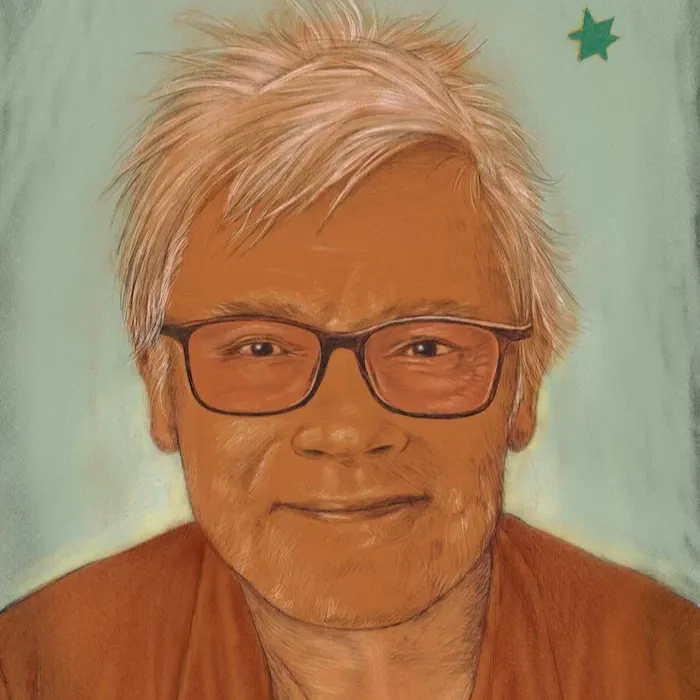
Finn Kollerup
Danish innovation consultant and facilitator who helps organizations bring “tangible innovation” to life through workshops, virtual design sprints, and strategy. He has explored the creative use of AI in strategic processes with surprising results.
Learn more: Finn Kollerup
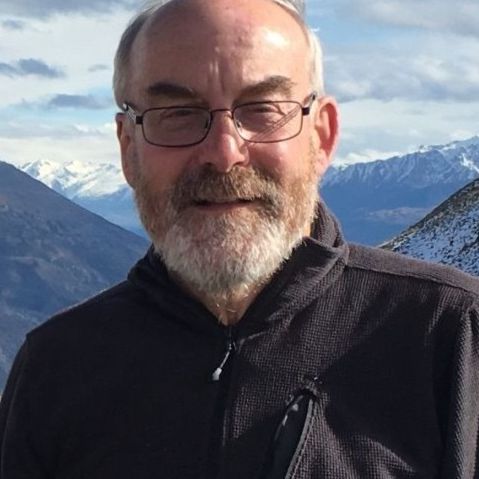
Dave Snowden
Dave argues that AI is artificial or algorithmic inference rather than true intelligence — and that intelligence itself goes far beyond our brains, and far beyond what AI can do. He created the Cynefin Framework and designed SenseMaker®, the world's first distributed ethnography tool.

Deborah Rim Moiso
Deb is an educator, and IAF-endorsed practitioner specializing in participatory processes. She is also a content writer for the facilitation platform SessionLab and the editor of the yearly State of Facilitation report, that has followed the trends of AI and Facilitation over the last years.
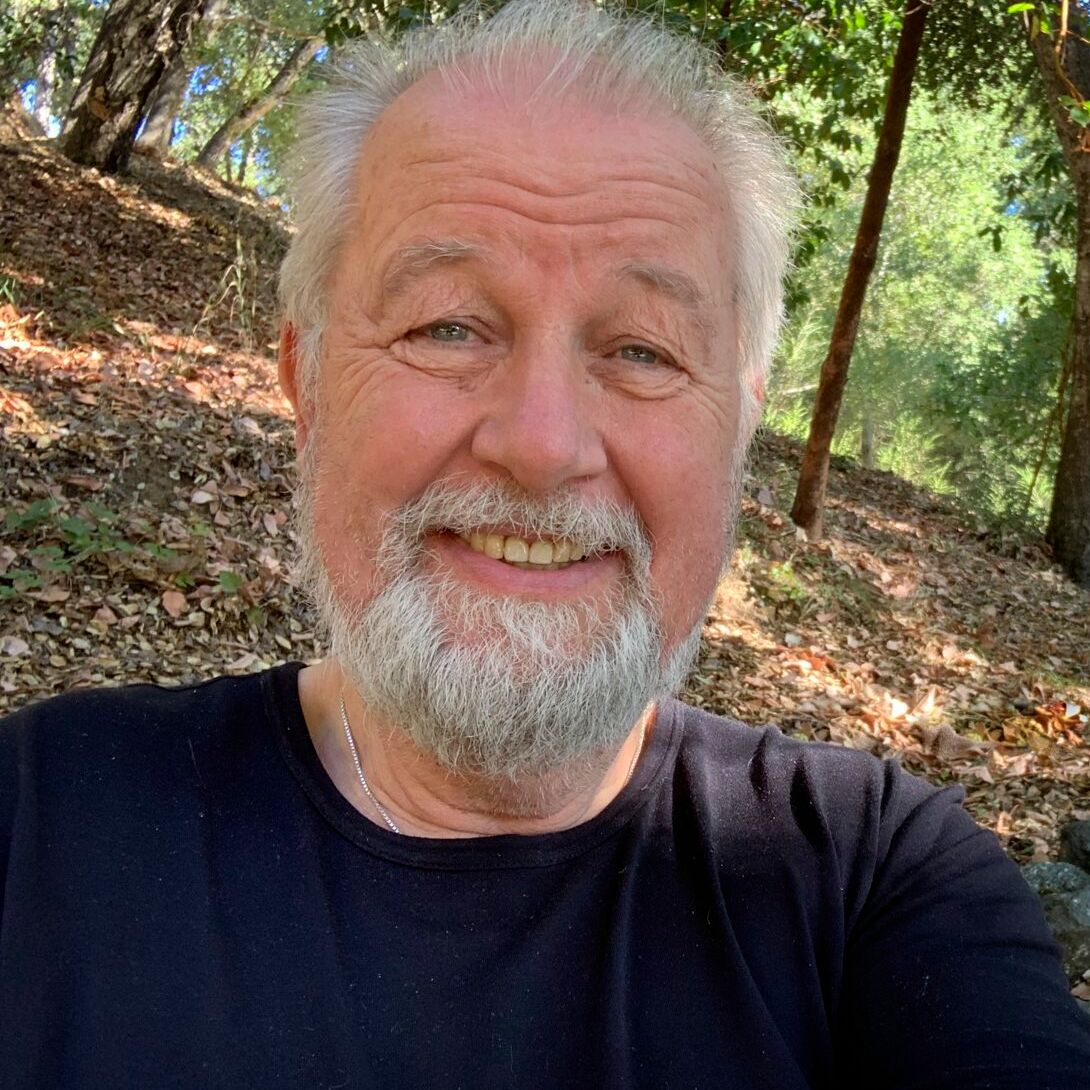
Firehawk Hulin
A lineage carrier of Earth Wisdom traditions with an extensive background in theater arts, photography, and digital media. He has spent decades pushing the edge of what's possible in wisdom, dialogue, and technology.

George Por
Scholar and practitioner of collective intelligence. George works at the intersection of systems, wisdom, and shared sense-making.

Lorenz Sell
Technologist and co-founder of Sutra, Lorenz designs online spaces for relational learning, dialogue, and collective emergence.
Learn more about Sutra
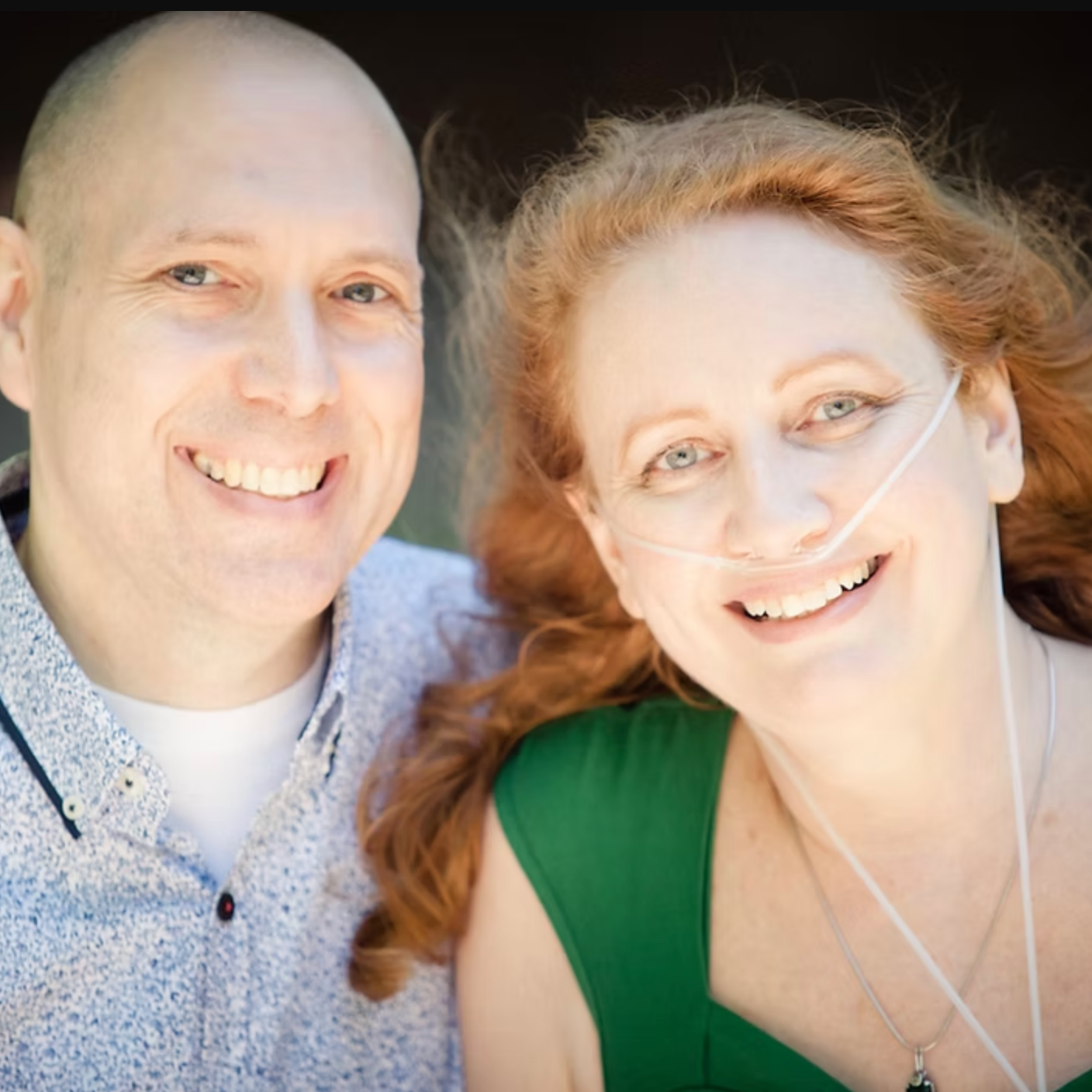
Maureen McCarthy & Zelle Nelson
Living with a rare genetic lung disease, Maureen McCarthy and her partner Zelle Nelson have redefined resilience and collaborative relationships. Together they pioneered The Blueprint of We™ and built a custom GPT trained in the World Café method — able to bring any participant, living or dead, into your conversation.
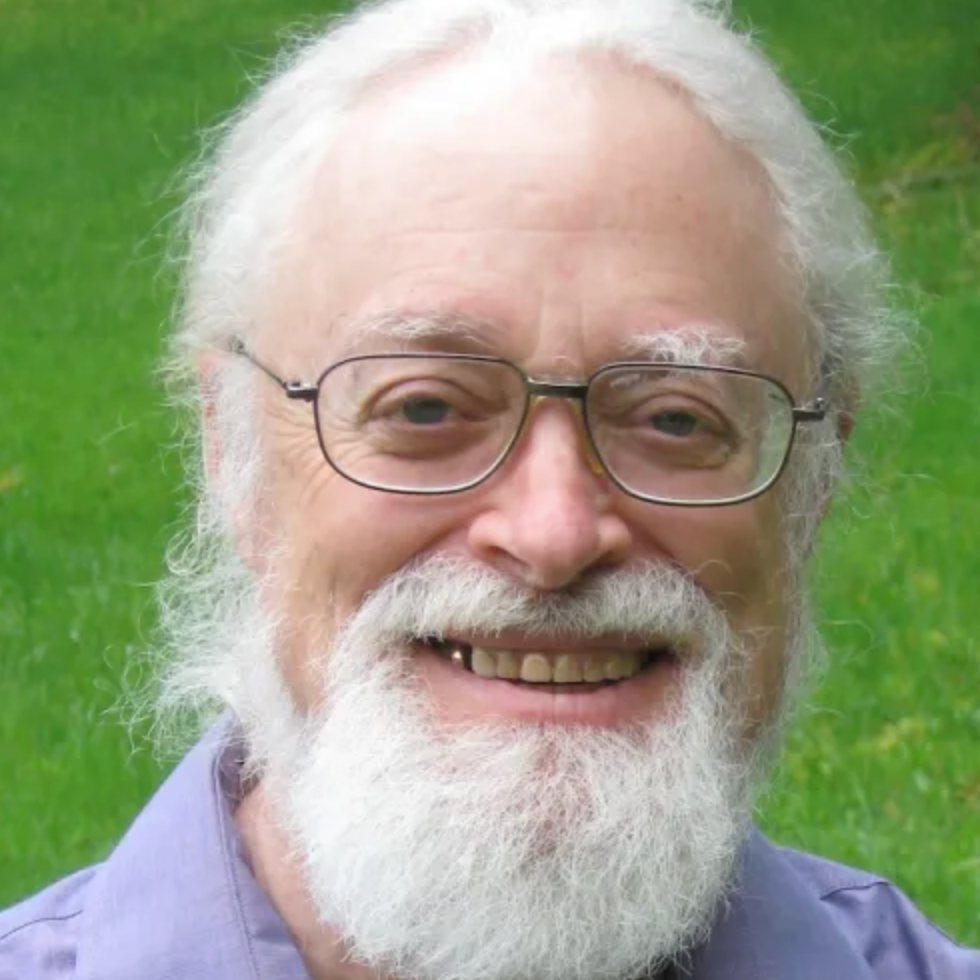
Tom Atlee
Tom is the founder of the nonprofit Co-Intelligence Institute, author of The Tao of Democracy and Reflections on Evolutionary Activism on his blog, Random Communications from an Evolutionary Edge.
He has experimented profoundly with the use of AI in this work on collective intelligence, wisdom and wholeness.
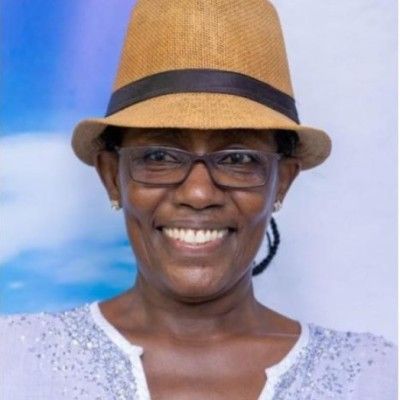
Irene Maweu
Irene is the Founder of Network "The Heart of African Facilitation. She is a member and advisor of the Global Conscious Peacemakers, a member of International Association of Facilitators IAF and their Special Interest Group on AI and Facilitation
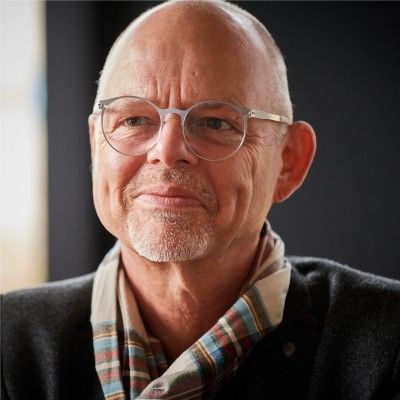
Holger Nauheimer
After 30 years as a facilitator, Holger is now exploring whether an AI bot can truly become a co-facilitator — the subject of a new book co-authored with artificial intelligence and an AI sidekick named Nyx.
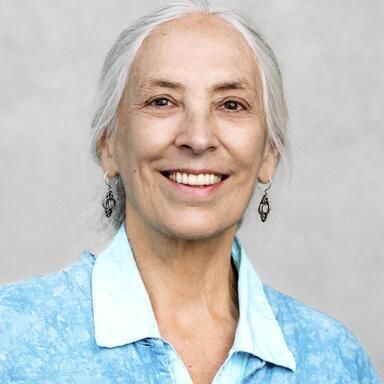
Rosa Zubizarreta-Ada
Rosa is the author of From Conflict to Creative Collaboration and more resently Listening Across Differences. She is an experienced facilitator and scholar who is doing action research into how AI influences our work.

Alex, is a facilitator and the founder of the AI Tinkerers’ Club and Stormz, a collaboration tool that facilitators love because it’s super easy to use. With his GenAI expertise, Alex trains teams in AI fundamentals.
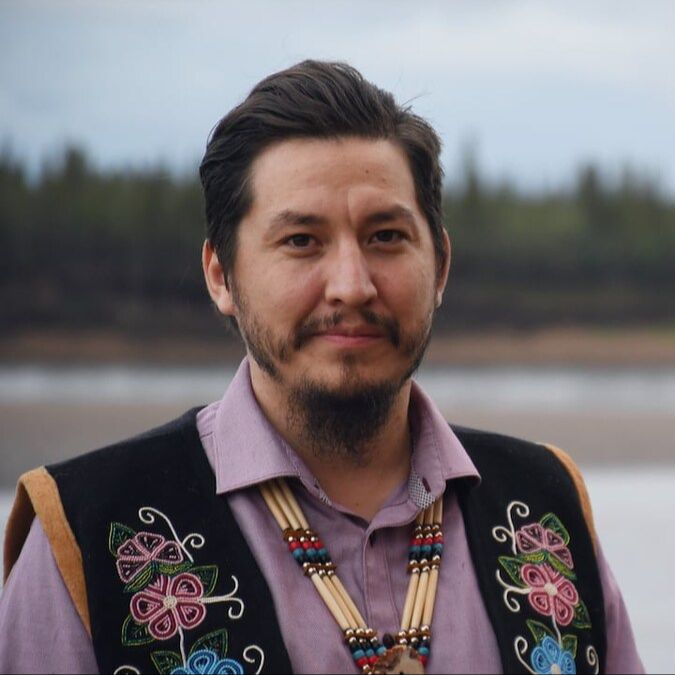
Dana Tizya-Tramm
Director of Nadlii - working on bridging Indigenous wisdom and modern technology focussing on Indigenous data sovereignty, policy leadership, and ethical AI governance.
Chair of the First Nation School Board and TIME 100 Next Global Leader.
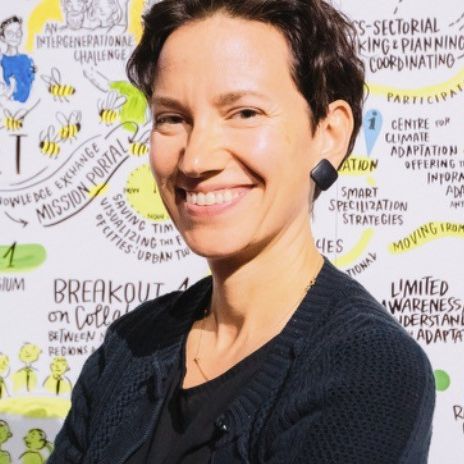
Carlotta Cataldi
Graphic recorder, visual thinker, scribe, and facilitator. Carlotta is a strong voice for what's only possible through human connection — and consciously chooses not to bring AI into her work as a visual artist and strategic thinking partner.
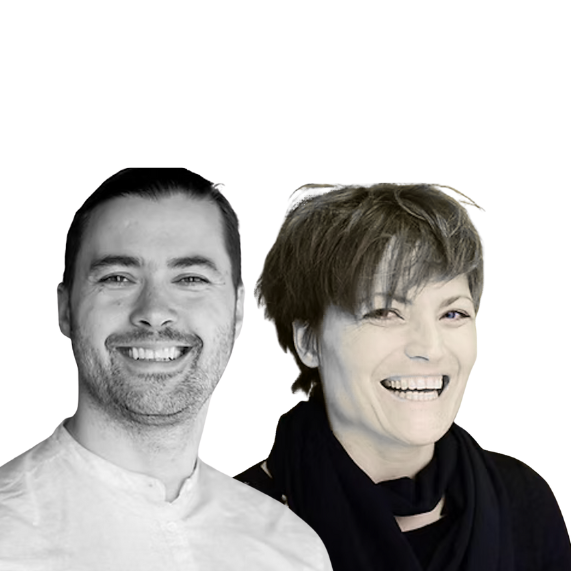
Robin and Bianca
Robin: Digital community coordinator specializing in innovative collaboration and self-organized community building; founder of Thrivbe,
Bianca: Consultant and facilitator focused on change, strategy, and regeneration; founder of Conscious Change and CEO of Linie 22
Exploring with AI
We asked Claude Sonnet 5 the following question and got some new perspectives to think about:
"What are the 10 most important questions to explore around AI´s role for facilitation and hosting meetings, thinking about the process of invitation, facilitating the meeting and making sense?"
Invitation Phase
- Who or what defines the purpose? If AI helps draft the invitation or shape the question being explored, whose intent does that reflect — the host's, the AI's training data, or something negotiated between them? Does AI change what gets invited into a conversation versus what gets quietly filtered out?
- Can AI read a system before the meeting happens? Could AI help hosts sense into the "field" — stakeholder dynamics, unspoken tensions, readiness for a topic — in a way that improves invitation design, or does this risk reducing living relational context to data patterns?
- Does AI change who feels invited? Does AI-assisted design (translation, accessible formats, personalized outreach) widen who can meaningfully participate, or does it introduce new exclusions — those uncomfortable with AI-mediated process, or those whose ways of communicating don't translate well to what AI can parse?
Facilitation Phase
- What is lost when presence is mediated? Human facilitation often depends on reading silence, energy, body language, and the unsaid. What happens to that attunement when AI is doing some of the facilitating — can it approximate this, or does its presence flatten the room's aliveness?
- Where should AI hold structure vs. where should humans hold it? Is there a natural division of labor — AI handling logistics, time-keeping, note-capture, prompting — while humans hold emotional attunement and judgment calls? Or does that division break down in practice?
- Does AI shift power in the room? Whoever configures the AI (what it nudges toward, what it flags, what "good process" means to it) has influence. Does this concentrate facilitative power in the tool's designers rather than the host or the group itself?
- Can AI hold silence and not-knowing? Good facilitation often means resisting the urge to fill space or resolve tension too quickly. Is AI, by design, biased toward productivity and resolution in ways that work against the deeper work good facilitators protect?
Sensemaking Phase
- Whose meaning is it when AI synthesizes? When AI summarizes themes or "harvests" a conversation, does its synthesis capture the group's actual emergent understanding, or does it impose external categories and smooth over ambiguity and disagreement that were actually productive?
- Does AI-assisted sense-making change what people say? If participants know AI is listening and synthesizing, does that alter what they're willing to share — more guarded, more performative, or conversely more willing to think aloud because the stakes feel lower?
- What happens to collective ownership of meaning? Sense-making is often as much about a group co-authoring shared understanding as it is about the output. Does offloading synthesis to AI shortcut that ownership process, even if the resulting summary is more accurate or complete?
A thread running through all ten: AI tends to be strong on structure, memory, and pattern-recognition, and weaker on the relational, felt sense of what a room needs — which is arguably the heart of facilitation. Worth asking, for any specific use case, whether you're using AI to support the human facilitative capacity or quietly substitute for it.

Format
We will meet in five real-time sessions to look at our questions, share our insights, inspirations, and challenges with this emerging new technology, and explore how we engage with AI will be part of shaping our culture -- now and into the future.
Between each real time session we will have a chance to connect in community and have access pre-recorded interviews with practitioners who can open new perspectives, possibilities and questions for us. These interviews will be available after the course together with recordings of all real-time sessions.

DATES
Join any time and join the next monthly live session - last Wednesday of the month, starting
- 30 September
- 14 October 2026 (Bonus Session),
- 28 October 206
- 25 November 2026
- 27 January 2027

TIMING
- 10:00 - 12:00 pm Pacific Time
- 12:00 - 2:00 pm Eastern Time
- 19:00 - 21:00 Central European Time

PRICE
$150-$200- $250 USD
- The price is sliding scale where we invite generosity and where we are committed to accessibility. Contact us if the price is a barrier.
Accessibility
We don’t want your economic situation to get in the way of your participation. Contact us for group discounts, or if you need help making the course work for you financially.
Your Hosting Team
We are thrilled to be hosting you with our full Beehive team:

Amy Lenzo
Amy is an online activist, focused on creating “hospitable space” online – environments that connect us to our bodies and the natural world; "containers" that open us to the joy of learning, and awaken the power of collective wisdom among us.
Rowan Simonsen
Rowan is guided by one question: how do we live a simple, beautiful life with impact? He co-founded Beehive Productions with Amy Lenzo, is a Kaospilot, and a longtime practitioner of the Art of Hosting.

Mary Alice Arthur
An internationally recognised process host for almost 30 years, Mary Alice is a Story Activist working with story in service of positive systemic shift and for focusing collective intelligence on critical issues and a steward of the Art of Hosting.
JOIN THIS IMPORTANT EXPLORATION!
In this offering we will invite and listen to the excited and inspired voices, to the cautious voices, to the practitioners who have valuable experiences to share, to technologists, philosophers and hosts of meaningful social engagement. Will you be there, too?
Register Now!Our first session begins in:
(In the meantime you will have access to a wealth of material to inspire. Join us now)
00
DAYS
00
HOURS
00
MINS
00
SECS
Take a peek...
Here you can hear some perspectives from Vanessa Andriotti, Robin, Bianca, Chris Corrigan and Dana about some of their perspectives on the space between our humanity, AI and facilitation and how to relate to these times in general.